Internet guides
How Does Cellular Home Internet Work?
A closer look at getting connected without a traditional cable or fiber line.
For many households, shopping for internet starts with entering an address and hoping a provider offers service there. When the available choices are limited to an aging connection or no wired service at all, it can be difficult to know where to look next. Cellular home internet offers another approach to connecting a household, using the same type of wireless networks that carry mobile data.
Although the technology is familiar, a dedicated home router serves a different purpose from a phone. Understanding how it works can help you decide whether it is a reasonable option for your address.
From a Cellular Tower to Your Living Room
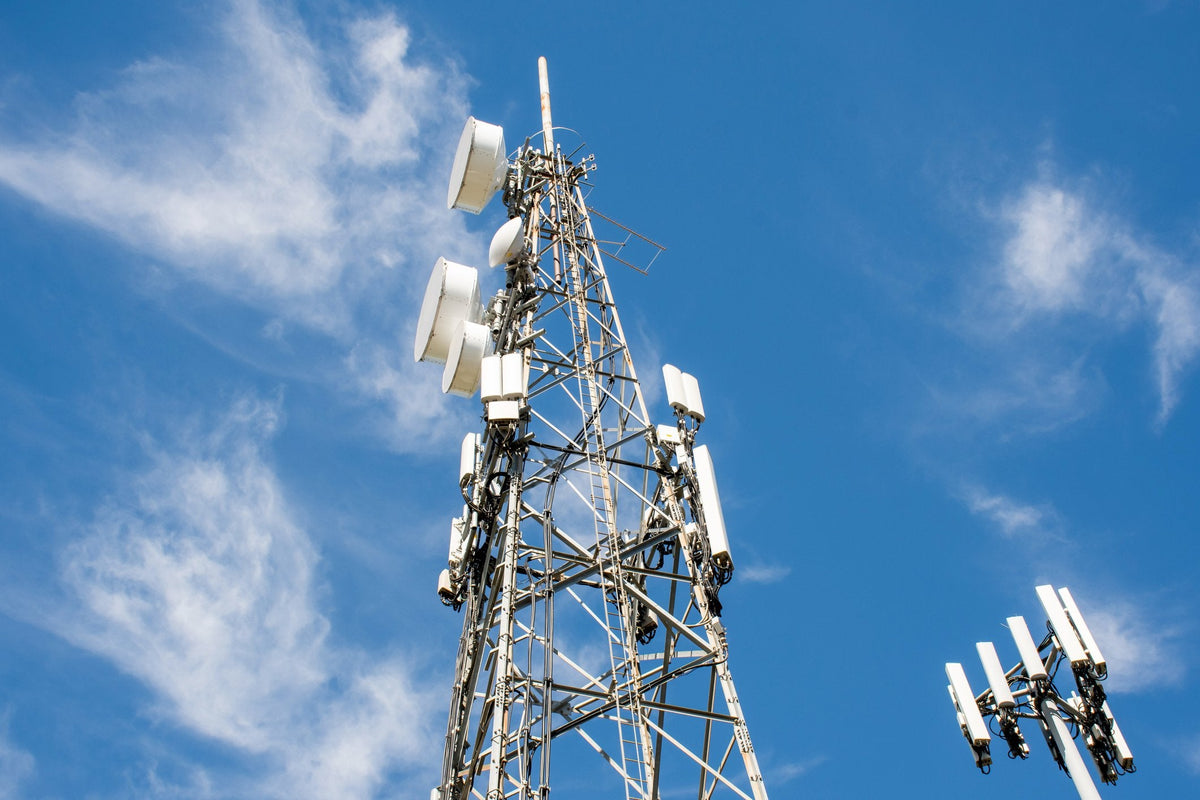
A cellular home internet router contains a modem that communicates with a provider's wireless network. Instead of receiving internet through a cable or telephone line, the modem exchanges information over radio frequencies using compatible cellular technology, such as 4G LTE or 5G.
The router then distributes that connection to devices inside your home through WiFi or, when supported, Ethernet. A television, laptop, and tablet can all use the same home network without needing their own cellular subscriptions.
The router still needs power and an active service plan. It also needs a usable signal from a compatible network at the location where it will operate.
Is It the Same as Using Your Phone as a Hotspot?
Both approaches can use cellular networks, but a dedicated home router is intended to remain available for household devices. You do not need to leave a particular phone in the living room just so the television can stay connected. Depending on the router, you may also have Ethernet ports, configurable wireless settings, and other controls for managing your home network.
These features are useful for a household that regularly uses several devices. They do not mean that every router provides better cellular speeds than every phone. Actual performance depends on the equipment, service plan, and network conditions.
Why Coverage at Your Address Matters
A coverage map is a useful starting point, but it cannot account for every building or obstacle. Hills, trees, distance from a tower, and construction materials can influence the signal that reaches your router. Network capacity also affects how much bandwidth is available, especially during busy periods.
That is why two neighbors may have different experiences with the same type of internet service. Even changing the position of a router within one home can affect performance.
Try a few permitted locations, including an elevated position near an exterior wall or window, while keeping ventilation and electrical safety in mind.
What Can You Do With Cellular Home Internet?
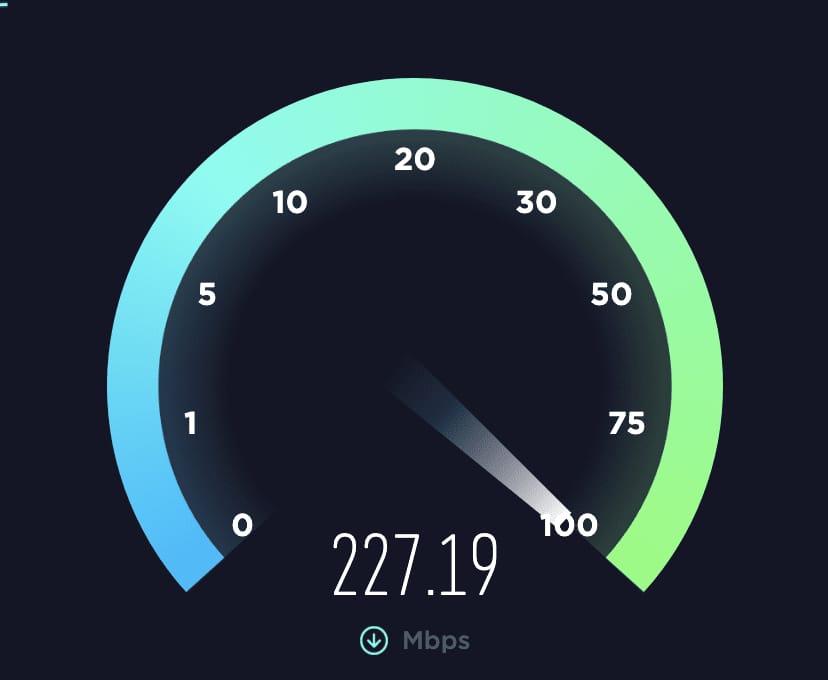
A connection with sufficient download speed, upload speed, and stability can support activities such as streaming television, attending virtual appointments, completing schoolwork, and working remotely. These are the same everyday tasks people expect from traditional broadband.
However, a video call can require a stable upload connection, while online gaming can be sensitive to latency and packet loss. Large downloads may take significantly longer during periods of congestion. Rather than judging the service by a single advertised maximum speed, consider the activities that matter most to your household.
What to Ask Before Choosing a Plan
Find out which network and router are supported, what the complete monthly cost will be, and whether equipment or activation charges apply. Ask about contract length, cancellation, and return policies. If a plan is described as unlimited, read the terms to understand whether usage policies, prioritization, or speed reductions may apply.
It is also worth asking whether the service is intended for a fixed address or allows travel. A home cellular router is not automatically a mobile travel plan. The provider must permit the intended use.
Could Cellular Internet Be Right for Your Home?
Cellular home internet can be worth considering when traditional providers do not serve your address or your existing connection no longer meets your needs. It is not the right solution for every household, and a good fiber or cable connection may offer more consistent performance in some locations.
Start with the options available where you live. Compare the total cost, expected performance, and equipment requirements rather than choosing solely on the basis of a technology label. GetUnlimitedWiFi provides educational resources to help you understand those choices and make a more informed decision about your home connection.
References
Federal Communications Commission. National Broadband Map.
https://broadbandmap.fcc.gov/